The listing portals will tell you Milton's median sale price sat around $1.2M as of September 2025, with days on market stretching from 26 the year prior to 77. By July 2026, the median list price on active inventory had climbed to roughly $1.79M. Those are real numbers. They also explain almost nothing about what you are actually buying.
Milton isn't one market. It's two, sitting inside the same city limits, priced within shouting distance of each other, and separated by a zoning line that determines whether your home comes with an acre of pasture or a shared alley. If you are comparing Milton to Alpharetta, Roswell, or Johns Creek on a spreadsheet, the median is the wrong lens. The zoning map is the price sheet.
The Two Markets Hiding Behind One Median
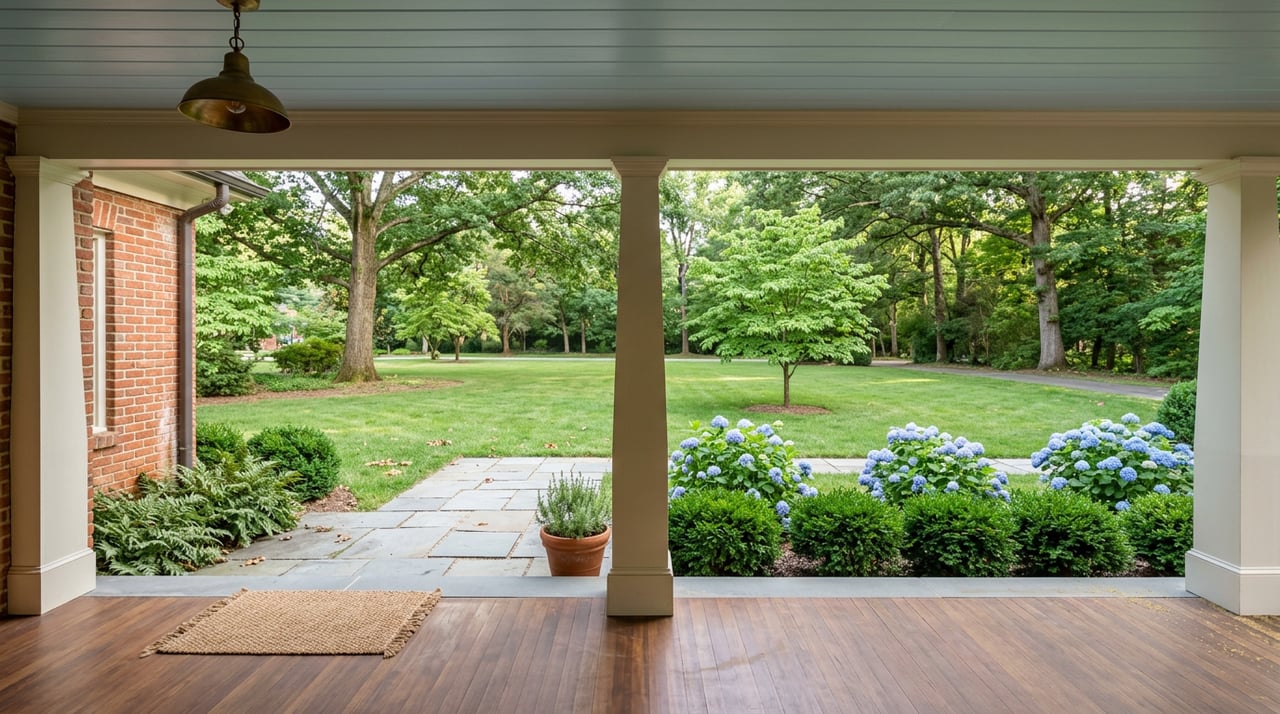
On one side of Milton is AG-1, the Agricultural Residential district that permits roughly one home per acre and shapes most of the city's rural character. Estate developments like The Homestead at Milton off Hopewell Road are platted for 32 lots between 3.04 and 10.33 acres apiece. Deerhaven Preserve is a nine-property gated enclave on 25 acres. Little River Estates is 15 lots spread across 27.49 acres. These are the homes people picture when they picture Milton: horse fencing, tree canopy, long driveways.
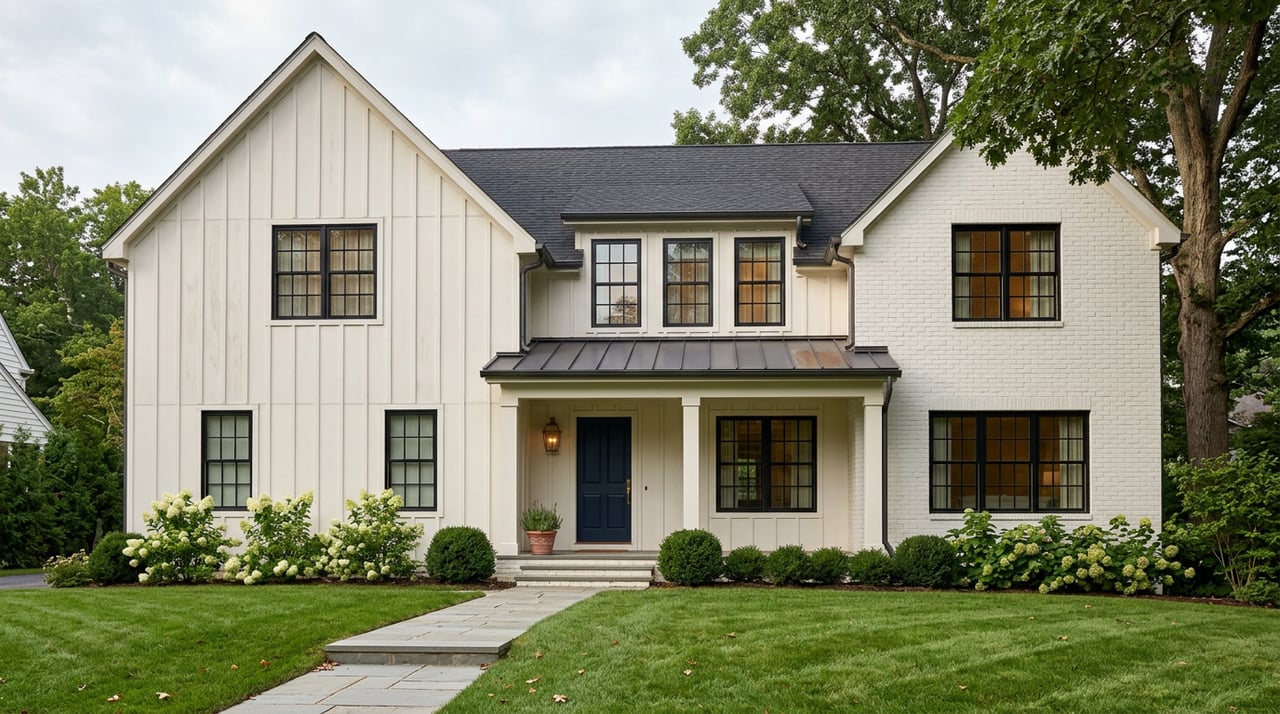
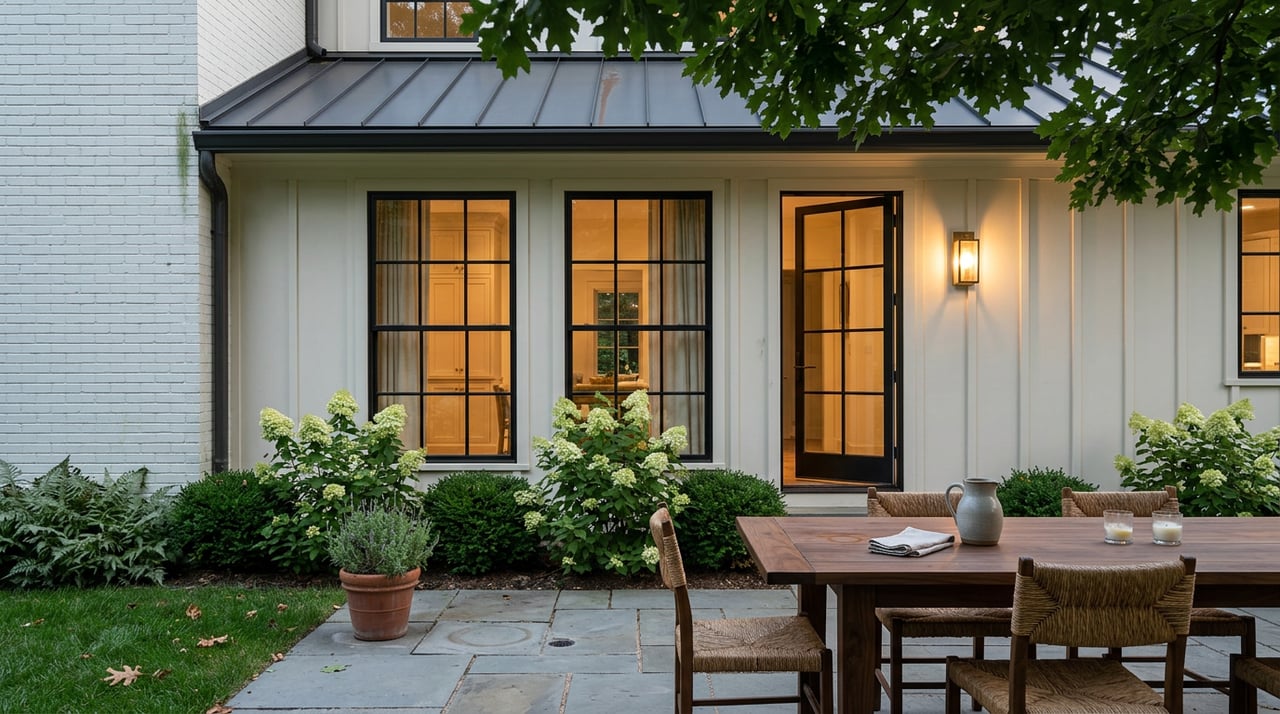
On the other side is Crabapple's T4 General Urban Zone, where the same dollars buy an entirely different product. Echo at Crabapple by Arkan Homes, approved by City Council in March 2025 and now delivering homes with a 2026 build year, places 23 custom residences on 4.8 acres. That is a density of 4.7 units per acre, more than four times what AG-1 allows next door. Pricing starts at $1.6M for homes between roughly 3,800 and 4,600 square feet, and the published builder plans range from $1.4M for a 3,000-square-foot Willow plan to $1.74M for a 4,449-square-foot Laurel, working out to about $391 to $406 per square foot.
Set those two products side by side and the "median" starts to feel like a coin toss between very different lives.
| Feature | AG-1 estate build | Crabapple T4 (Echo, Milton Towns, Braeburn) |
|---|---|---|
| Typical lot | 1 to 10+ acres | Roughly 0.10 acre or smaller, alley-loaded |
| Zoning cap | ~1 home per acre | Up to 4.7 units per acre (Echo final plat) |
| Entry price for new build | Mid $1Ms, often north of $2M | From $1.4M, most homes $1.6M+ |
| Price per square foot | Varies widely, often $300 or less on larger footprints | ~$391 to $406 at Echo |
| What you walk to | Nothing, by design | Crabapple Market, Milton Library, downtown restaurants |
| Maintenance profile | Yard, septic, well common | HOA-managed common areas, $325/mo at Echo |
The point is not that one product is better. It is that a buyer who searches "Milton homes around $1.5M" gets both in the same result set, and the two homes are not substitutes for each other in any meaningful way.
Why the Zoning Map Is the Real Price Sheet
Milton has been actively defending the rural side of that split for years, and 2026 is the most recent chapter. In February, the City Council extended a moratorium on new applications to subdivide certain AG-1 lots under three acres, citing five-year trend data from Community Development showing larger homes and more amenities being built on essentially the same footprints. On April 13, 2026, after months of Unified Development Code review, the Council lifted the moratorium and adopted a set of code amendments aimed at preserving the city's rural aesthetic while clarifying property rights.
"This is one of those processes where we're not going to have 100% winners or 100% losers. But I think that, at the end of the day, we're going to have a better city." — Mayor Peyton Jamison, April 2026, as reported by Appen Media
That process matters to buyers for one specific reason: it is the mechanism keeping AG-1 inventory scarce. Milton is not going to solve its supply problem by carving up horse farms into quarter-acre lots. The new construction pipeline outside AG-1 is real, but it is concentrated. Crabapple is where the density lives, and the recently completed or in-progress projects there include Market District Crabapple (eight buildings of mixed use), Town Center East on Mayfield Road, Milton Pointe at Broadwell (condominiums, retail, a fitness studio), Milton Towns (14 townhomes off Branyan Trail), and Braeburn Townhomes on Heritage Walk. That is the supply. Almost none of it is on more than a tenth of an acre.
What Each Side Costs You in Friction
The visible price is only part of the transaction. The hidden costs sort neatly by which side of the zoning line you land on.
Buying AG-1:
- Septic and well due diligence. Most of AG-1 sits outside dense water and sewer service. A perc test, septic inspection, and well water panel are not optional in your inspection period.
- Setback and buildability review if you plan to renovate or expand. The April 2026 code amendments tightened lot coverage and building footprint expectations, and some code items were deferred for further Planning Commission review. If your plans involve a guest house, pool house, or accessory dwelling, verify current setbacks before you go under contract.
- Longer marketing timelines on resale. Estate homes are a smaller buyer pool. The jump from 26 to 77 median days on market between fall 2024 and fall 2025 was felt hardest on the acreage side of the market.
Buying Crabapple T4:
- HOA discipline. Echo at Crabapple carries a $325 monthly HOA, and communities in the district use shared alleys, rear-entry garages, and common areas that come with rules about exterior changes.
- Density surprises. New buyers frequently underestimate how close neighbors sit. Echo's own plat approval included an acknowledgment from city staff that architectural elements were varied specifically because homes are so close together.
- New construction contract mechanics. Builder contracts, upgrade credits (Arkan is currently marketing a $70,000 customization credit at Echo), and construction timelines follow their own rules, not the standard resale purchase and sale agreement. Getting an experienced representation on your side of the table matters more than in a resale transaction.
Neither list is a reason to avoid either product. They are the questions the median price cannot answer for you.
The Deerfield Wildcard
There is a third act coming, and it changes the math on both sides. Milton's Destination Deerfield initiative, presented alongside the Echo at Crabapple final plat approval, contemplates the addition of up to 1,785 residential units and 875,000 square feet of commercial space along the Ga. 9 corridor. The city has projected an estimated $1.4 billion construction cost, $6.8 million in permit fees, and $23.4 million in impact fees, with staff modeling a scenario in which commercial sources contribute 20% or more of the city's tax base once built out.
For buyers today, three things follow. First, Deerfield inventory will not compete with AG-1 estates. It will compete with Crabapple product, and it will do so with more units, more retail, and a location on the commercial spine rather than the historic village core. Second, the AG-1 market keeps its scarcity story regardless. Third, the medians you are reading today are averaging apples, oranges, and a third fruit that hasn't ripened yet. Trust the property type, not the citywide number.
A Few Questions Buyers Ask
Is Crabapple actually walkable, or is that a listing description?
It is genuinely walkable within the T4 district. Echo at Crabapple has direct pedestrian access to Crabapple Crossroads, which connects to Crabapple Market, Milton City Hall, the Milton Library, and the restaurants along Crabapple Road. It is not walkable to schools, groceries, or the Alpharetta side of the district in the everyday sense.
If AG-1 inventory is tight, why did days on market climb so much year over year?
Because the buyer pool for a $2M-plus estate is thinner and more rate-sensitive than the buyer pool at $900K. Scarcity of supply and speed of sale are not the same thing. Estates sit longer, price cuts are more common, and the negotiation is often more nuanced than a Crabapple new-construction contract where the builder controls the price sheet.
Should the median guide my budget conversation with a lender?
Not really. A better exercise is to pick a product type first, either AG-1 acreage or T4 attached-density new construction, and price your loan against that specific inventory. The financing profile, tax basis, and long-term carrying costs differ enough that "Milton at $1.5M" is not a single underwriting question.
If you are weighing Milton against Alpharetta, Roswell, or Johns Creek and the median is doing more confusing than clarifying, that is the honest starting point of the conversation, not the end of it. Christy Smith works both sides of the Milton line, from Crabapple new construction contracts to acreage resales off Hopewell and Freemanville, and can help you match the property type to the life you are actually planning. Let's Connect.